Document Type : Review
Introduction
Polycystic ovary syndrome (PCOS) is one of the most common endocrine disorders affecting women of reproductive age and is widely recognized as a multifactorial and heterogeneous condition with substantial clinical variability. Its estimated prevalence ranges from 8% to 20% globally, depending on the diagnostic criteria applied and the populations studied (1). According to the Rotterdam criteria, the diagnosis of PCOS is established when at least two of the following are present: oligo- or anovulation, clinical and/or biochemical hyperandrogenism, and polycystic ovarian morphology on ultrasonography (2). Since pathological ovarian cysts are not necessary for diagnosis, an international consortium recently redefined the condition as polyendocrine metabolic ovarian syndrome (PMOS) (3). Although PCOS was initially characterized primarily as a reproductive and endocrine disorder, it is now increasingly understood as a chronic multisystem condition with important reproductive, metabolic, psychological, and social consequences (4).
The clinical manifestations of PMOS span multiple domains and commonly include menstrual irregularity, subfertility, hirsutism, acne, alopecia, insulin resistance, dyslipidemia, and obesity, in addition to adverse psychological outcomes such as anxiety, depression, and diminished self-esteem (5-8). These manifestations often interact in complex ways. For example, elevated body mass index (BMI), together with visible symptoms such as hirsutism and acne, may adversely affect body image and self-perception and may contribute to depressive symptoms, whereas effective treatment has been associated with improved self-image and quality of life (9). Beyond their physical burden, these symptoms may compromise self-esteem, body esteem, and interpersonal functioning, particularly when hyperandrogenic features and infertility-related concerns become socially visible and stigmatizing (10). Collectively, this symptom burden may impair quality of life, promote social withdrawal, and negatively affect long-term disease management.
In addition to its immediate symptom burden, PMOS is associated with increased risk of several long-term health complications, including type 2 diabetes mellitus, gestational diabetes, cardiovascular disease, endometrial hyperplasia and carcinoma, and adverse pregnancy outcomes (11, 12). However, in contrast to the relatively well-documented metabolic and reproductive sequelae of PMOS, its emotional, psychosocial, and relational consequences remain comparatively underexamined and are often insufficiently addressed in routine clinical care (5, 13, 14). This gap is particularly important because PMOS-related anovulatory infertility frequently requires prolonged and complex management, often involving multidisciplinary care focused on comorbidities, reproductive planning, and health optimization (15). Women experiencing infertility may also prefer nonpharmacological or supportive approaches to care, especially when psychological distress is present. In this context, comprehensive care should extend beyond biomedical treatment alone to include psychological, social, cultural, and potentially spiritual dimensions of health. Existing literature suggests that religion and spirituality may support coping, reduce depressive symptoms, strengthen social support, and encourage adaptive health behaviors; however, in some contexts, they may also intensify distress or social isolation among infertile women and couples (16).
Spirituality has been described as a resource that may foster self-awareness, meaning, connectedness, and personal growth, thereby supporting psychological well-being and resilience in the face of adversity (17). Relatedly, spiritual well-being has been conceptualized as encompassing a sense of purpose, connectedness to others, and orientation toward transcendent values or a higher power, with potential relevance for emotional adjustment and psychological fulfillment (18). These constructs may be particularly pertinent in chronic conditions that affect identity, bodily integrity, intimate relationships, and future life expectations.
In this regard, PMOS may be understood not only as a biomedical condition but also as one with significant psychosocial and existential implications. Its chronic course, heterogeneous manifestations, uncertain trajectory, and effects on reproductive and sexual health may shape how affected women perceive themselves, their bodies, and their life prospects. Symptoms related to appearance, menstruation, fertility, and sexuality may intersect with deeply held personal, cultural, and relational meanings, potentially giving rise to emotional suffering, loss of control, and challenges in meaning-making. Despite growing interest in patient-centered and holistic models of care, the spiritual dimension of well-being in women with PMOS remains relatively underexplored.
Accordingly, this review seeks to move beyond a reductionist, hormone-centered understanding of PMOS and to examine the broader psychological, social, cultural, and spiritual dimensions of the condition. In particular, it explores the relationship between PMOS and well-being, quality of life, and psychosocial functioning, while also considering the potential role of cultural and spiritual factors in shaping women’s experiences and management of the syndrome. By adopting an interdisciplinary perspective, this review aims to contribute to a more comprehensive framework for PMOS care, one that acknowledges the full range of physical, psychological, social, and spiritual needs of affected women and supports the development of more responsive, compassionate, and effective interventions.
Methods
Study design: This study was conducted as a narrative review to examine the multifaceted burden of PMOS on women’s physical, psychological, social, and spiritual well-being. In addition to summarizing the broad impact of PMOS, the review included supportive, lifestyle-based, psychological, and culturally responsive interventions reported in the literature. To improve the transparency of article identification and selection, the review process was summarized using a PRISMA-guided flow diagram. However, this study was not designed as a formal systematic review or meta-analysis.
Literature search: A literature search was conducted using the electronic databases PubMed, Scopus, Web of Science, and Google Scholar. Relevant articles were identified using a combination of Medical Subject Headings (MeSH), where applicable, and free-text terms related to PCOS/ PMOS and its physical, psychological, social, and spiritual dimensions. The search strategy incorporated terms related to the physical manifestations and complications of PCOS/PMOS, including metabolic, reproductive, and general physical health outcomes, as well as terms related to mental health, psychological outcomes, depression, anxiety, quality of life, social functioning, social support, spiritual well-being, religious coping, mindfulness, and meditation. The reference lists of relevant articles were also manually reviewed to identify additional studies.
Eligibility criteria: Articles were considered eligible if they: 1. were published in peer-reviewed journals between 2000 and 2026; 2. included women of reproductive age with PMOS diagnosed according to recognized criteria, such as the Rotterdam or NIH criteria; 3. addressed at least one of the following domains in relation to PMOS: physical, psychological, social, or spiritual well-being, quality of life, or supportive intervention outcomes; and 4. were published in English. Articles were excluded if they: 1. involved non-human subjects; 2. were not published in English; or 3. were editorials, letters to the editor, conference abstracts, or case reports.
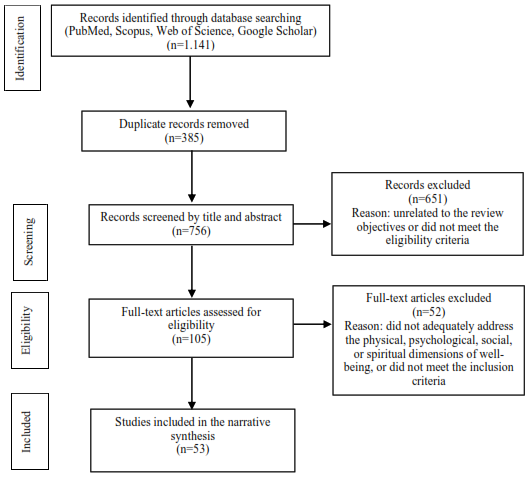
Study selection: Relevant records identified through database searching and manual reference screening were reviewed based on title and abstract. Articles considered potentially relevant to the objectives of the review were then assessed in full text. Studies that did not adequately address the predefined review domains or did not meet the inclusion criteria were excluded. The overall process of identification, screening, eligibility assessment, and inclusion is presented in a PRISMA-guided flow diagram.
Data extraction: For each included study, key information was extracted, including author(s), year of publication, country, study design, sample characteristics, diagnostic criteria for PMOS, domain(s) assessed, type of intervention or exposure, and the main findings relevant to the review objectives.
Results
A total of 1,141 records were identified through searches of PubMed, Scopus, Web of Science, and Google Scholar. After the removal of duplicate records (n=385), 756 records remained for title and abstract screening. At this stage, 651 records were excluded because they were unrelated to the review objectives or did not meet the predefined eligibility criteria. The full texts of 105 potentially relevant articles were then assessed for eligibility. Fifty-three articles were excluded because they did not adequately address the predefined domains of physical, psychological, social, or spiritual well-being or did not meet one or more of the inclusion criteria. Finally, 53 studies were included in the narrative synthesis (Figure 1). A summary of the results of key studies regarding outcomes in women with PMOS is presented in table 1.
Table 1. Summary of key studies on outcomes in women with PMOS
|
Study (Author, Year, Journal) |
Primary objective |
Population studied |
Intervention/coping strategy |
Psychological factors assessed |
Quality of life metrics |
|
Bazarganipour et al., 2013, Health and Quality of Life Outcomes |
To estimate the prevalence of mood disorders and examine psychological distress and QoL in women with PCOS |
Iranian women diagnosed with PCOS |
None (Observational study) |
Anxiety and depression assessed using the Hospital Anxiety and Depression Scale (HADS) |
Quality of life evaluated using the SF-36 questionnaire |
|
B.P et al., 2021, International Journal of Pharmaceutical Sciences Review and Research |
To explore the health impact of PCOS and advocate for early intervention |
125 hospitalized women of reproductive age with PCOS |
Patient support, educational programs, healthy lifestyle promotion, medical treatment, and hyperandrogenism management |
Moderate depression and concerns regarding PCOS-related complications |
17.74% showed moderate depression; quality of life was negatively impacted |
|
Rofey et al., 2008, Journal of Pediatric Psychology |
To assess the feasibility and preliminary efficacy of enhanced CBT in adolescents with PCOS |
12 adolescents with PCOS, obesity, and clinical depression |
Enhanced CBT, lifestyle modifications (diet and exercise), and family psychoeducation |
Depressive symptoms assessed via the Children's Depression Inventory (CDI) |
QoL not explicitly measured; depressive symptoms used as proxy |
|
Cowan et al., 2023, BMC Endocrine Disorders |
To broaden the scope of lifestyle management in PCOS beyond conventional diet and exercise |
Reproductive-aged women with PCOS |
Comprehensive approach: diet, physical activity, psychological support, sleep interventions, TCIM, inositol supplementation, yoga, acupuncture |
Emotional wellbeing, sleep disturbances (both clinical and subclinical) |
QoL influenced by emotional and sleep-related disruptions |
|
Weiss and Bulmer, 2011, Journal of Obstetric, Gynecologic, and Neonatal Nursing |
To explore the psychosocial impact of living with PCOS in young women |
Women aged 18–23 years with PCOS |
Coping with symptoms, seeking support, maintaining personal routines |
Self-perception, concerns about aging, feelings of physical inferiority, and coping responses |
Psychological challenges directly linked to perceived QoL and identity development |
Psychological and emotional burden: PMOS is associated with a substantial psychological and emotional burden that may, for many women, exceed its overt physical and metabolic manifestations. A growing body of evidence indicates that women with PMOS are at increased risk of mood disorders compared with women without the condition. Clinical studies have reported that approximately 34% of women with PMOS meet criteria for anxiety and 21% for depression (19). Other reports have identified even higher rates, with depressive disorders documented in up to 64.1% of affected women (20), while some studies suggest that 67–71% of women with PMOS may be classified as clinically depressed (21).
The psychological distress associated with PMOS appears to be multifactorial. Prominent clinical manifestations of the syndrome, including obesity, hirsutism, and acne, may adversely affect body image and self-perception and may also be associated with reduced sexual satisfaction and intimacy (22). In addition, concerns related to infertility, perceived loss of femininity, and chronic menstrual irregularity may further intensify emotional distress and contribute to clinically meaningful reductions in health-related quality of life (23).
Beyond these external manifestations, internal psychological responses have also been described in women with PMOS, including maladaptive coping patterns, a heightened sense of diminished control, and persistent uncertainty regarding future health outcomes in both adolescents and adults (24, 25). Importantly, the association between PMOS and psychiatric morbidity has been reported to persist after adjustment for BMI, suggesting that both hormonal and psychosocial pathways may contribute to emotional distress in this population (24, 26). Nevertheless, obesity remains an important exacerbating factor, as women with obesity and PMOS have been shown to report significantly higher depression scores than their non-obese counterparts (26).
Several clinical and biochemical features have also been linked to adverse psychological outcomes. Anxiety has been reported more frequently among women with acne and among those whose aspirations for motherhood remain unmet (19). Depressive symptoms have been positively associated with insulin resistance, dyslipidemia, and overall metabolic syndrome burden (26). In addition, higher free androgen levels and a history of menstrual irregularity have been implicated in mood disturbance (27).
Comparative studies suggest that the psychological consequences of PMOS may be more pronounced than those observed in some other chronic conditions. Although women with PMOS may report physical health-related quality of life outcomes comparable to, or in some cases better than, those of women with chronic diseases such as diabetes or arthritis, their psychological health-related quality of life appears to be significantly poorer (28). These findings underscore the importance of recognizing PMOS not only as a reproductive and metabolic disorder, but also as a condition with substantial mental health implications.
Given the prevalence and clinical relevance of psychological comorbidities, mental health screening should be incorporated into the routine assessment of women with PMOS. Early intervention and individualized psychological support, including counseling, cognitive behavioral therapy, and peer support, may play an important role in comprehensive disease management (27). Health-care providers should also remain attentive to the evolving manifestations of PMOS across the life-span and the distinct psychological sequelae that may emerge at different stages (29).
Overall, approaches that prioritize emotional resilience and psychological support appear essential. Many women with PMOS report a need for individualized and holistic care that addresses not only physical symptoms but also emotional well-being, personal goals, and broader psychosocial needs (5). Attention to these dimensions may contribute to more effective care and improved quality of life.
Body image and feminine identity issues: Body image and perceptions of femininity represent important, yet frequently underrecognized, dimensions of the psychosocial burden associated with PMOS. The physical manifestations of PMOS, including hirsutism, acne, alopecia, and weight gain, may conflict with dominant social ideals of beauty and conventional constructions of femininity. As a result, many women with PMOS report feeling less feminine or less sexually attractive, often accompanied by marked emotional distress and a perceived loss of femininity. Qualitative studies have shown that PMOS may substantially challenge feminine identity, with some participants describing a sense of "becoming a man" in relation to the masculinizing effects of hyperandrogenism (30, 31).
Body image dissatisfaction is widely reported among women with PMOS and commonly includes negative self-perception, reduced sexual self-esteem, and increased body shame. Some women describe themselves as "ugly", "unattractive", or "different from other women", reflecting a deep internalization of perceived bodily inadequacy (32, 33). These self-perceptions may also affect how women view their desirability within intimate relationships and may contribute to sexual difficulties and relational strain. Importantly, body image concerns may persist irrespective of BMI, as even normal-weight women may experience distorted body perception in the presence of visible symptoms such as acne or hirsutism (32).
Adolescents and young women may be particularly vulnerable to identity-related distress, especially in the presence of hirsutism or obesity. Evidence suggests that these visible characteristics are closely linked to perceived attractiveness, femininity, and peer acceptance and may therefore contribute to lower self-esteem and greater psychological distress (34, 35). Among nulliparous women, body image disturbance may be further intensified by concerns regarding reproductive capacity and sexual attractiveness (34).
The consequences of body image disturbance extend well beyond dissatisfaction with appearance. Such disturbances have been associated with sexual dysfunction, including reduced libido, impaired arousal, and dyspareunia, which may in turn lead to intimate relationship difficulties and reduced life satisfaction (32). Moreover, internalized stigma and reduced self-esteem may decrease social participation and contribute to avoidance of public settings and withdrawal from both romantic and peer relationships (20, 36).
These psychosocial consequences also contribute to the broader psychological burden of PMOS. Women may report feelings of stigmatization or abnormality, which may increase psychological distress and reduce quality of life. Over time, such experiences may lead to isolation, shame, and persistent dissatisfaction with body image and gender identity (37).
Taken together, these findings suggest that body dissatisfaction and disruption in feminine identity are central features of the lived experience of many women with PMOS. These issues warrant regular attention in clinical practice. Integrating body image counseling, support groups, and psychosexual education into PMOS care may help women develop a more positive sense of self and improve emotional well-being. A holistic approach that acknowledges the emotional and social implications of PMOS may contribute meaningfully to better health outcomes and improved overall well-being.
Relationships and societal implications: The impact of PMOS extends beyond individual physical and psychological morbidity to affect interpersonal relationships and broader social functioning. One recurring theme across both qualitative and quantitative studies is tension within the patient–clinician relationship. Women with PMOS frequently report dissatisfaction, frustration, and distrust in their interactions with healthcare professionals, often citing limited empathy, poor communication, and insufficient information at the time of diagnosis (30, 38–40). Ongoing uncertainty regarding symptom interpretation, the long-term course of the condition, and the need for specialist referral may further contribute to patient frustration and disengagement from care (39, 41).
Marital and intimate relationships may also be adversely affected by both the symptomatic and psychosocial burden of PMOS. Reduced sexual desire, impaired arousal, lubrication difficulties, and dyspareunia have all been reported among women with PMOS, contributing to lower sexual satisfaction and relationship conflict (32). These problems may be intensified by visible clinical features of the syndrome, particularly hirsutism, obesity, and acne, which may adversely affect appearance-related satisfaction, self-esteem, and perceived gender identity (32, 42). Consequently, some women may experience difficulty with intimacy and feel emotionally disconnected from their partners, with adverse effects on overall life satisfaction and marital well-being.
Relationships beyond the intimate sphere may also be compromised. Many women with PMOS report social isolation and reduced engagement in peer and community activities because of shame, embarrassment, and fear of social judgment. Visible symptoms that diverge from prevailing standards of beauty, particularly hirsutism and obesity, may contribute to stigmatization and perceived rejection, thereby intensifying emotional distress (20, 36, 43). These pressures may be felt even more acutely during adolescence and young adult-hood, when social approval and physical attractiveness often become especially salient (36, 44).
Social and cultural constructions of femininity, fertility, and beauty also shape the social experience of PMOS. In many contexts, the visible and reproductive manifestations of the syndrome may be highly stigmatized, thereby increasing psychological distress and potentially reducing help-seeking behavior (20). Such social pressures may influence women’s willingness to disclose their condition, engage in treatment, or validate their own health concerns.
Social support appears to play an important moderating role in women’s ability to cope with the multiple challenges associated with PMOS. Informational support, such as access to accurate health education, and emotional support from peers, family members, and healthcare providers may buffer some of the negative social and emotional consequences of the syndrome (39). Women who receive empathetic, person-centered care and who have access to supportive social networks tend to report better coping, greater self-efficacy, and improved well-being (41). Access to online communities or support groups may similarly foster a sense of belonging and shared understanding.
Overall, the social consequences of PMOS are broad and far-reaching, affecting peer and intimate relationships, interactions with the health-care system, and participation in society more generally. Relational disruption may amplify the emotional burden of the condition and compromise quality of life. These findings support the need for team-based models of care that incorporate relational sensitivity, social support, and cultural competence in addressing the full range of women’s needs.
Overall evaluation of well-being and quality of life: PMOS has a substantial and multidimensional impact on the overall well-being and quality of life of affected women. Numerous studies have shown that women with PMOS report significantly lower health-related quality of life (HRQoL) than women without PMOS and, in some studies, even lower HRQoL than women living with other chronic conditions such as asthma, epilepsy, and coronary heart disease (28). Although physical HRQoL may in some cases be comparable to, or better than, that observed in women with diabetes, arthritis, or chronic back pain, PMOS is consistently associated with poorer psychological HRQoL outcomes (28).
The negative impact of PMOS on quality of life spans several domains. Women frequently identify emotional distress, body image concerns, menstrual irregularity, acne, infertility-related stress, weight difficulties, and hirsutism as major contributors to impaired well-being (28). Among these, weight concerns and body dissatisfaction have been reported as particularly strong predictors of reduced quality of life (21). Physical manifestations of the syndrome, especially obesity, acne, and excess hair growth, are directly associated with poorer physical HRQoL and may function as persistent visible reminders of the chronic nature of the disorder (22, 45).
The spiritual dimension of well-being, although less frequently examined, has also been discussed in the literature on PMOS. Some studies suggest that women with PMOS may report lower spiritual well-being and perceived social support than healthy women, highlighting a potentially neglected dimension of care (46). This form of distress may be associated with hopelessness, disrupted meaning-making, and a perceived loss of control over the body and reproductive future.
Daily life with PMOS involves a range of challenges that may be underestimated in routine clinical care. Previous studies describe the lived experience of women with PMOS as shaped by persistent physical discomfort, social limitation, and emotional strain, including concerns about aging with a chronic condition. These experiences may be further complicated by financial pressure, fear of future complications, and the burden of lifelong self-management (47, 48).
Demographic characteristics also appear to influence the impact of PMOS on quality of life. Adolescents and young women may be particularly vulnerable, especially when obesity and hirsutism intensify concerns about attractiveness, peer acceptance, and feminine identity (34). Nulliparous women may be more likely to experience body image disturbance and reproductive concerns, while acne and facial hair have been repeatedly identified as predictors of poorer mental health outcomes (30, 34).
Healthcare experiences are another important determinant of overall well-being in women with PMOS. It has been reported that up to 88.1% of women are dissatisfied with the care they receive, primarily because of delayed diagnosis, inadequate information at diagnosis, and insufficient psychological support throughout the continuum of care (5, 13, 14). Such dissatisfaction may erode trust in the healthcare system, reduce adherence to medical recommendations, and increase the emotional burden of the condition.
Overall, the relationship between PMOS and quality of life is complex and appears to be shaped by an interplay of physiological symptoms, psychological responses, sociocultural expectations, and healthcare-related factors (36, 43). For example, cultural norms related to femininity and reproductive capacity may intensify shame and perceived inadequacy, leading to social withdrawal and strain in interpersonal, marital, and sexual relationships (20). Likewise, cultural beliefs may influence symptom interpretation, coping strategies, and approaches to treatment, thereby shaping both clinical outcomes and subjective well-being (20).
These findings support the need for holistic, patient-centered models of PMOS care that extend beyond biomedical management alone. Women consistently express a desire for individualized care that addresses their physical, psychological, emotional, social, and spiritual needs (5). Adolescents and young women, in particular, may benefit from early psychosocial support and lifestyle-based interventions aimed at strengthening emotional resilience and self-efficacy (41, 47). Attention to quality of life across all relevant domains is essential not only for improving outcomes, but also for supporting women to live well with PMOS across the lifespan.
Cultural and spiritual dimensions in the experience and management of PMOS: Cultural and spiritual contexts may play an important role in shaping how women experience and manage PMOS. National, cultural, and religious frameworks can influence symptom interpretation, help-seeking behavior, and coping responses. Some authors have argued that clinicians should take patients’ cultural and religious worldviews into account, as these may affect psychosocial resilience and adaptation to illness (27). Similarly, cultural frameworks may shape symptom appraisal and influence the ways in which women make sense of the condition and its implications for identity, health, and daily life (20). In this sense, the psychosocial trajectory of PMOS may be closely linked to cultural location and the meanings attached to illness within specific social contexts.
Spiritual dimensions of health remain under-represented in the PMOS literature, although they may be meaningful for many adolescents and adults. Some evidence suggests that women with PMOS may report lower levels of spiritual well-being than matched controls when assessed using measures related to spiritual acceptance or related constructs (49). For some women, this domain may also intersect with preferences for more holistic therapeutic approaches that seek to address physical, psychological, and spiritual concerns together. These observations highlight the need for culturally relevant and conceptually clear research that is responsive to women’s lived experiences of PMOS.
Normative expectations surrounding femininity, physical appearance, and reproductive capacity may further intensify the psychological burden associated with PMOS. Core manifestations of the syndrome, such as hirsutism, adiposity, and subfertility, may become even more distressing in sociocultural settings where ideals of womanhood are narrowly defined. In settings in which motherhood is highly valued and appearance norms are strongly gendered, women may experience increased pressure, shame, or social withdrawal when symptoms conflict with communal or familial expectations (20).
Accordingly, management strategies may benefit from a culturally responsive framework that recognizes variation in symptom interpretation, treatment preferences, and coping practices. Health-care teams caring for women with PMOS should be attentive to the cultural and religious meanings that shape patients’ self-understanding, treatment decisions, and relationships with medical institutions. Such an approach may improve not only clinical care, but also women’s day-to-day experiences of living with PMOS (27).
Coping mechanisms and interventions
Holistic healthcare strategies: Women with PMOS may benefit from healthcare models that incorporate mental health screening and psychological support alongside medical management. Closer integration of medical and psychological care may improve outcomes in this population (27). Health-care providers should also recognize that the manifestations of PMOS and the support required may change across the life course, necessitating flexible and developmentally appropriate management approaches (29).
Cognitive behavioral therapy (CBT): Evidence from adolescents with PMOS suggests that enhanced cognitive behavioral therapy focused on lifestyle goals, family dynamics, and the psychosocial effects of the condition may improve health-related quality of life. One study reported an improvement in scores from a mean of 77 to 82 following the intervention (50).
Lifestyle modification programs: Structured interventions that include regular discussions on nutrition, lifestyle modification, and group exercise have been associated with improvements in quality of life among women with PMOS. These programs may address physical challenges while also supporting emotional and social well-being (47).
Holistic interventions: Broader interventions that combine conventional lifestyle modification strategies, such as diet, exercise, and behavioral change, with psychological care, sleep optimization, and Traditional, Complementary and Integrative Medicine (TCIM) approaches, including supplements, herbal medicine, acupuncture, and yoga, have been proposed as potentially beneficial in PMOS management (51).
Resilience-building strategies: Enhancing psychological resilience has been identified as a potentially important strategy for reducing depressive symptoms in women with PMOS. Available literature suggests that mindfulness training and relaxation techniques may improve resilience and reduce depressive symptoms (52).
Education and interdisciplinary support: Improved access to information, health literacy, and PMOS-related education may help women develop more adaptive illness perceptions and promote better long-term self-management. Women may benefit from multidisciplinary support systems that assist them in sustaining healthy lifestyles and managing challenges such as depression and anxiety (53).
Culturally responsive strategies: Clinicians should also take into account the cultural and religious backgrounds of women with PMOS, particularly when addressing factors that may influence psychological well-being and care preferences (27).
Peer support and advocacy: Comprehensive care for adolescents and young women with PMOS should include psychosocial support that helps them access relevant information, receive social support, and adapt to living with a chronic condition (41, 47).
Discussion
The findings of the present review highlight the substantial psychosocial burden associated with PMOS, supporting its conceptualization as a biopsychosocial condition rather than a disorder limited to reproductive or metabolic dysfunction. Although the clinical literature has traditionally emphasized endocrine abnormalities, menstrual dysfunction, infertility, and metabolic complications, the evidence synthesized here indicates that the psychological, emotional, relational, sociocultural, and spiritual dimensions of PMOS are also profound and clinically relevant. Taken together, these findings suggest that the burden of PMOS extends well beyond somatic symptoms and warrants broader attention in both research and clinical care.
Psychological morbidity appears to be one of the most prominent yet insufficiently addressed dimensions of PMOS. Women with PMOS consistently report elevated levels of depression, anxiety, emotional distress, and reduced psychological well-being, with some studies indicating symptom burdens greater than those observed in women with other chronic conditions (19-21, 28). Importantly, these associations have been reported even after adjustment for BMI, suggesting that the psychological burden of PMOS cannot be explained solely by obesity and may instead reflect a complex interaction among hormonal dysregulation, chronic uncertainty, impaired self-image, and concerns regarding femininity, fertility, and long-term health (24, 26). At the same time, visible clinical features such as hirsutism, acne, alopecia, and weight gain may intensify body dissatisfaction and heighten vulnerability to shame, social comparison, and internalized stigma (22, 30-34). In this sense, the psychological burden of PMOS appears to arise not only from the condition itself, but also from the meanings attached to its manifestations within everyday social life.
The findings further suggest that PMOS may challenge gender identity and feminine self-perception in particularly distressing ways. In many sociocultural contexts, appearance and reproductive capacity are closely tied to dominant constructions of womanhood. Accordingly, symptoms such as menstrual irregularity, infertility, obesity, and hyperandrogenic manifestations may be experienced not merely as medical problems, but also as threats to identity, desirability, and social belonging (30, 31, 34). These experiences may be especially pronounced in settings where fertility and motherhood are highly valued and where deviations from socially sanctioned ideals of femininity are more likely to be stigmatized (20, 36, 43). Within such contexts, infertility-related distress may become particularly severe among married women, further compounding emotional suffering and social isolation.
The cultural and spiritual context within which women experience PMOS also deserves careful consideration. Available but limited evidence suggests that spiritual or religious beliefs may function as coping resources for some women, helping them to make sense of illness, sustain hope, and enhance psychological endurance (27, 46, 49). At the same time, the role of religion and spirituality is unlikely to be uniformly beneficial and may be highly context-dependent. In cultural or religious environments where childbearing is strongly emphasized, infertility may expose women to feelings of inadequacy, guilt, rejection, or stigma. Under such circumstances, spiritual or religious interventions that are insufficiently individualized may inadvertently intensify suffering rather than alleviate it. Accordingly, any effort to incorporate spirituality into PMOS care should be undertaken with conceptual clarity, cultural sensitivity, and careful attention to the risk of reinforcing shame or self-blame, particularly among infertile women in highly pronatalist environments (20, 27). These observations support the development of culturally and spiritually attuned models of care, especially in multicultural settings where assumptions regarding femininity, fertility, and religious identity may vary considerably.
The interpersonal consequences of PMOS are also substantial and may further amplify psychological distress. Sexual dysfunction, low sexual self-esteem, negative body image, and embarrassment related to physical symptoms may undermine intimacy and place strain on marital or romantic relationships (32, 42). Beyond intimate partnerships, women with PMOS may withdraw from peer or social interactions because of perceived judgment, stigmatization, or dissatisfaction with appearance (20, 36, 43). Such relational disruption may be particularly consequential during adolescence and young adulthood, when peer acceptance, bodily self-consciousness, and identity development are especially salient (34, 36, 44). Moreover, many women report dissatisfaction with the healthcare system, including delayed diagnosis, minimization of symptoms, inadequate information, and insufficient psychosocial support, all of which may erode trust in clinicians and contribute to feelings of invalidation and disenfranchisement (5, 13, 14, 30, 38-41). These findings suggest that the burden of PMOS is mediated not only by symptoms themselves, but also by the quality of relational, social, and healthcare encounters that shape women’s lived experiences.
The cumulative effect of these challenges is reflected in the marked reduction in health-related quality of life among women with PMOS. The literature reviewed suggests that PMOS adversely affects multiple domains of well-being, including physical comfort, emotional stability, body image, self-esteem, social participation, and perceived meaning in life (21, 22, 28, 45-48). In comparison with some other chronic conditions, the psychological dimension of health-related quality of life appears to be disproportionately impaired in PMOS (28). Body dissatisfaction, infertility-related distress, and dissatisfaction with healthcare experiences emerge as especially important contributors to diminished quality of life (5, 21, 28). Although the spiritual dimension has been less extensively studied, available findings suggest that spiritual well-being may also be compromised in some women with PMOS, raising the possibility that existential concerns and disrupted meaning-making represent underexplored aspects of the syndrome’s burden (46, 49).
Taken together, these findings underscore the limitations of purely biomedical models of care. Given the multidimensional burden of PMOS, a patient-centered and interdisciplinary approach is needed. Routine psychological assessment should be considered in gynecological and endocrinological care, particularly for symptoms of anxiety, depression, body image disturbance, and reduced self-esteem (27). Interventions such as cognitive behavioral therapy, resilience-oriented strategies, body image counseling, and structured educational support may be beneficial, especially when integrated into multidisciplinary models of care (41, 47, 50, 52, 53). In addition, some women may benefit from holistic approaches that combine lifestyle modification with psychological support and carefully selected TCIM modalities, provided that such approaches are evidence-informed and aligned with patient preferences (51). Tailoring interventions according to developmental stage, cultural background, reproductive concerns, and individual values is likely to improve both acceptability and effectiveness.
Finally, the findings point to a broader need for change in healthcare systems and professional education. Psychosocial concerns in PMOS should not be regarded as peripheral or secondary to metabolic and reproductive management, but rather as central components of comprehensive care. Health professionals should be trained to recognize the evolving manifestations of PMOS across the lifespan and to respond empathetically to its emotional, relational, and sociocultural consequences (29). Equally important is the empowerment of women with PMOS as active partners in care through validation of their lived experiences, shared decision-making, and support for long-term self-management. Such changes are essential if care is to move beyond symptom control toward genuinely person-centered management.
This review offers a multidimensional synthesis of the physical, psychological, social, and spiritual burden of PMOS and highlights areas that are often underemphasized in conventional biomedical accounts of the syndrome. By bringing together evidence across several domains of well-being, the review contributes to a more holistic understanding of women’s lived experiences with PMOS. However, several limitations should be acknowledged. First, as a narrative review, the study does not provide the methodological rigor of a full systematic review or meta-analysis, and the findings should therefore be interpreted as a conceptual and integrative synthesis rather than a quantitative estimate of effect. Second, the included studies varied in design, population characteristics, and outcome measures, which may limit direct comparability across findings. Third, spiritual and cultural dimensions were less frequently examined in the available literature, making conclusions in these areas necessarily more tentative. Finally, much of the literature relied on self-reported outcomes, which may be influenced by context, culture, and individual interpretation. Despite these limitations, the consistency of evidence across multiple domains suggests that the psychosocial burden of PMOS is both substantial and clinically meaningful.
Conclusion
PMOS is a chronic and multifaceted condition for which psychosocial, emotional, relational, and potentially spiritual consequences are substantial yet often insufficiently addressed. Beyond its reproductive and metabolic features, PMOS may profoundly affect women’s mental health, self-image, intimate relationships, social functioning, and overall quality of life. These findings indicate that conventional models of care focused primarily on symptom control, fertility, or metabolic risk reduction are insufficient to address the full lived experience of the condition. More comprehensive, culturally responsive, and person-centered approaches are needed to ensure that the care of women with PMOS reflects the multidimensional nature of the syndrome and supports well-being across the lifespan.
Future care for women with PMOS should adopt a holistic, culturally sensitive, and interdisciplinary framework that integrates psychological care, social support, patient education, and attention to cultural and spiritual context where relevant (27, 41, 47, 51, 53). Further research is also needed to clarify the role of spirituality, religion-based coping, and culturally adapted interventions in improving well-being among women with PMOS across different age groups and social settings (46, 49). Advancing care in this direction is not only a matter of improving clinical outcomes, but also of promoting dignity, equity, and truly patient-centered healthcare for the millions of women living with PMOS worldwide.
Conflict of Interest
Authors declare no conflict of interest.